CO1: To gain a deep understanding of the principles and mechanisms of evolutionary biology, including natural selection, genetic variation, adaptation, prokaryotic and eukaryotic origin,
molecular evolution and phylogenetics.
CO2: To understand developmental and evolutionary Genetics along with population genetics by studying concepts of gene flow, gene frequency and Hardy Weinberg law leading to isolation and speciation
CO3:To comprehend primate evolution and human origins by studying the stages of primate evolution, geological timescale, mass extinction and its consequences.
CO4: To develop a comprehensive knowledge of ethological concepts, including animal behaviour, behavioural ecology, behavioural genetics, communication, mating systems, social
behaviour, and cognitive processes.
- Teacher: Lekshmi R S
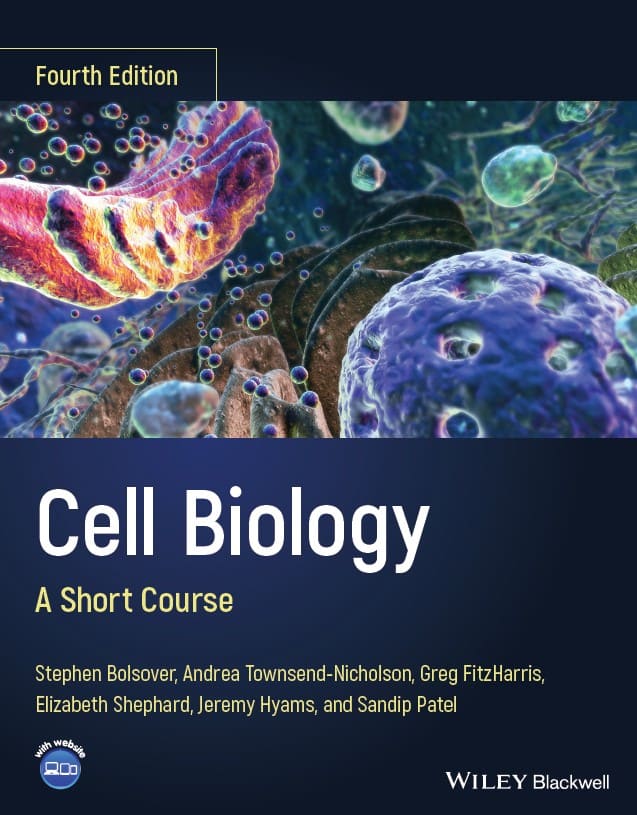
CO1: To acquire knowledge about the structural and functional details of the basic unit of life at the molecular level.
CO2: To gain an intensive knowledge about the new developments in molecular biology and it's implications in human welfare.
CO3: To develop an in-depth knowledge about the structural and functional aspects cell and cell organelles.
CO4: To explain the role of genes and genetic regulation in cellular responses, of gene including the processes expression, gene expression regulation, signalling pathways, cell cycle and the control of cell division and cell growth.
CO5: To learn the basic properties of cancer cells, types of cancer, genetics of cancer and to explore new strategies for combating cancer
- Teacher: Aparna Vinod
CO1: To understand the structure and function of major physiological systems in animals, including the nervous system,endocrine system, circulatory system,respiratory system, digestive system, excretory system, and reproductive system.
CO2: To explain the cellular and molecular mechanisms underlying physiological processes in animals, such as membrane transport, cellular signalling, metabolism, and energy production
CO3:To understand the concept of homeostasis and how animals maintain a stable internal environment despite external changes and to study the mechanisms of feedback control, thermoregulation, osmoregulation, and acid-base balance.
CO4: To compare and contrast physiological adaptations across different animal species and understand the principles of evolutionary physiology. Explore physiological diversity and how
animals have adapted to various environments and lifestyles
CO5:To gain in-depth knowledge of the physiology of specific organ systems in animals, such as the nervous system (neurophysiology), cardiovascular system (cardiovascular physiology), respiratory system (respiratory physiology), and others.
CO6:To understand how different physiological systems work together and are coordinated to maintain overall physiological function in animals. Study the integration of neural, endocrine, and other signalling pathways.
- Teacher: Lekshmi R S
CO1: To develop an in-depth knowledge
about the chemical nature of life and life
process.
CO2: To understand the structure and
functioning of biologically important
molecules.
CO3: To gain a deep understanding of
the importance of metabolism of bio
macromolecules in normal physiology of
man.
CO4: To acquire a thorough knowledge
in the abnormal metabolism of biomolecules and resultant diseases.
CO5: To gain an interest in the chemistry
of biomolecules and explore the new
developments in biochemistry.
- Teacher: SELMA K.A